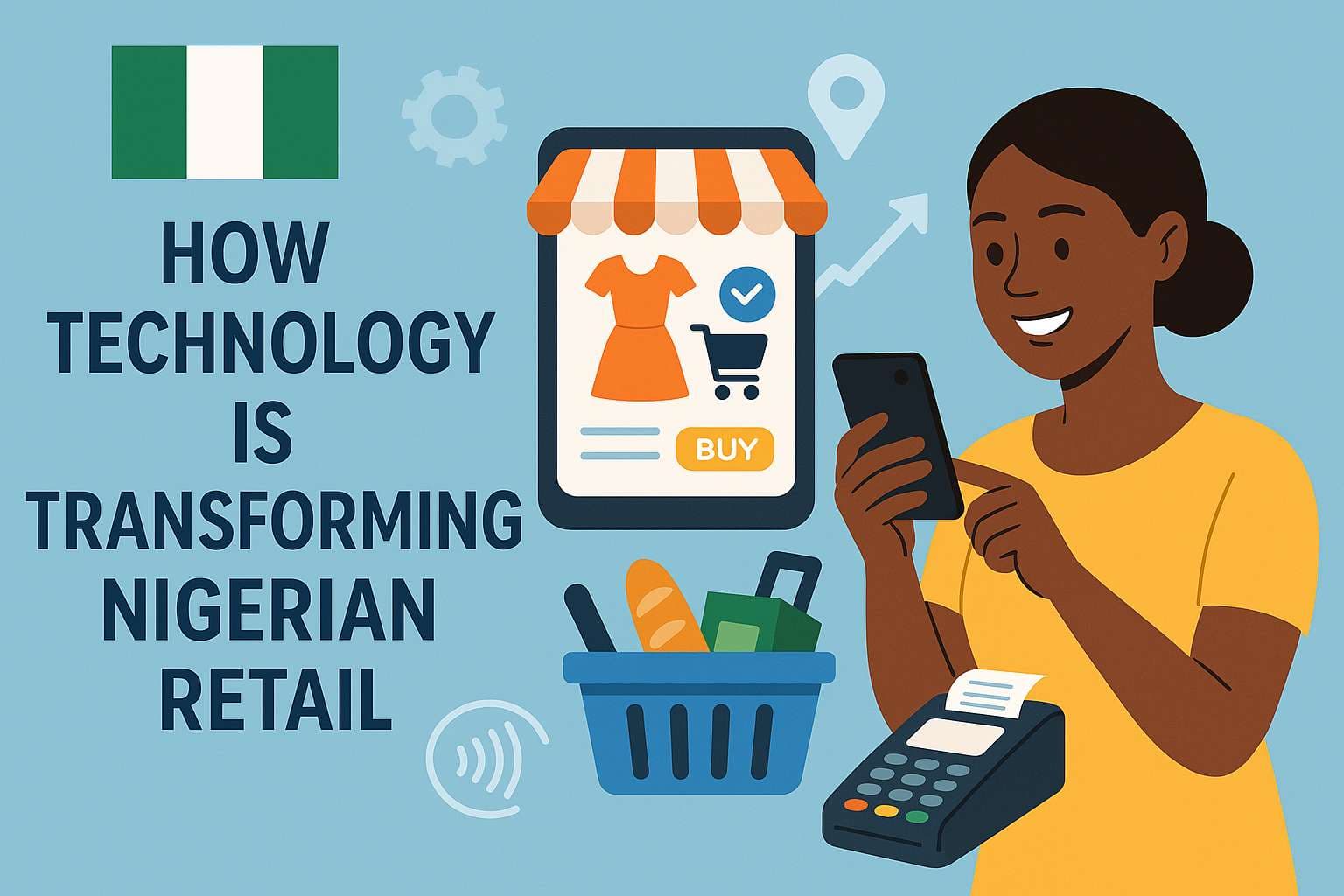
From kiosk to enterprise: discover how thousands of Nigerian shop owners are using digital tools to double their profits, stop theft in its tracks, and finally understand their businesses.
Nigeria's retail sector is undergoing its biggest transformation in decades — and the businesses winning aren't the biggest ones, they're the most digitally equipped. If you're still running your shop with a notebook and mental arithmetic, you are already behind. But the good news? Catching up has never been easier or more affordable.
The Old Way Is Costing You
Ask most Nigerian shop owners how much profit they made last Thursday and you'll get a blank stare. Ask them which product line has the highest margin and they'll guess. This isn't laziness — it's the inevitable result of managing a complex business with tools designed for a simpler era.
The notebook, the mental count at close of day, the trust-based credit ledger — these systems made sense when a shop had 20 products and one staff member. They break down catastrophically at scale. And in the process, they let thousands of naira slip through the cracks every single day.
"I used to trust my gut on everything — restocking, pricing, even which staff I could rely on. Moving to a digital system showed me I was wrong about almost all of it. My profit went up 38% in the first quarter." — Bello A., Supermarket Owner, Abuja
What Digital Transformation Actually Means for a Nigerian Shop
When people hear "digital transformation," they think Silicon Valley and billion-naira IT projects. For a Nigerian shop owner, it means something far simpler and more practical:
- Every sale recorded instantly — with the product, quantity, price, staff member, and customer attached
- Inventory that updates itself — so you always know what's in stock without counting by hand
- Credit sales that don't disappear — every debt documented, tracked, and followed up automatically
- Profit you can see — not estimated at month-end, but visible right now, in real time
- A business you can monitor remotely — from your phone, even when you're not on the premises
The Five Technologies Changing Nigerian Retail
1. Point-of-Sale (POS) Systems Built for Nigeria
Modern POS systems aren't just receipt printers. They're the central nervous system of your business — capturing every transaction, attributing it to a staff member, deducting from inventory, and feeding your analytics dashboard simultaneously. The best ones work offline first (critical in a country where power and internet are unreliable) and sync when connectivity returns.
2. Real-Time Inventory Management
When your best-selling product runs out on a Friday afternoon and you don't notice until Monday, you've handed those sales to your competitor. Smart inventory systems show you live stock levels, alert you when products fall below a threshold, and even suggest reorder quantities based on historical sales velocity.
3. Customer Relationship Management (CRM)
Your most valuable asset isn't your stock — it's your customer relationships. Yet most Nigerian shop owners couldn't name their top 10 customers or tell you what they buy. A basic CRM changes this: you know who your VIP customers are, what they purchase, and when they haven't visited in a while. That intelligence is worth more than any single product line.
4. Sales Analytics and Reporting
Data is only useful if you can read it. Modern retail software translates your raw sales data into clear charts showing: which products are growing, which are dying, which hours are busiest, which staff are most productive, and where your profit is actually coming from. This makes every business decision faster and smarter.
5. Staff Permission and Audit Trails
Staff theft is reported to cost Nigerian retailers ₦500 billion annually. The primary enabler of theft isn't dishonest staff — it's opportunity. When every action is logged, attributed to a staff member, and visible to the owner, the opportunity disappears. Permission controls mean cashiers can process sales but cannot edit, delete, or apply discounts without authorization.
Why Now Is the Perfect Time to Switch
Three trends have converged to make digital adoption easier than ever for Nigerian businesses:
- Smartphone penetration — Over 80% of Nigerian adults own a smartphone capable of running modern business software
- Affordable data — MTN, Airtel, and Glo have made internet access cheap enough for continuous business use
- Nigerian-built software — Tools built specifically for our market, with offline mode, Naira pricing, credit sales, and support in local context
The businesses that adopt now will have a 2-3 year data advantage over competitors who wait. That data — sales history, customer behavior, inventory trends — is irreplaceable and compounds in value over time.
Getting Started: Your First 30 Days
The biggest mistake business owners make is trying to digitize everything at once. Start small, build habits, then expand:
- Week 1: Import your product catalog, set cost prices and selling prices
- Week 2: Start recording all sales through the system — make it non-negotiable for staff
- Week 3: Review your first analytics report. You'll be surprised by what you find.
- Week 4: Activate credit sales tracking and customer database
After 30 days, you'll have enough data to make your first genuinely data-driven business decision. Most shop owners never go back.
Ready to start? ShopGo is free to start — no credit card needed →